Food
Swahili Food: The East African Coast
Mombasa · Lamu · Zanzibar
- Duration
- 8 days
- Price
- Priced to your group size and dates.
- Group size
- Up to 25 students

Subject
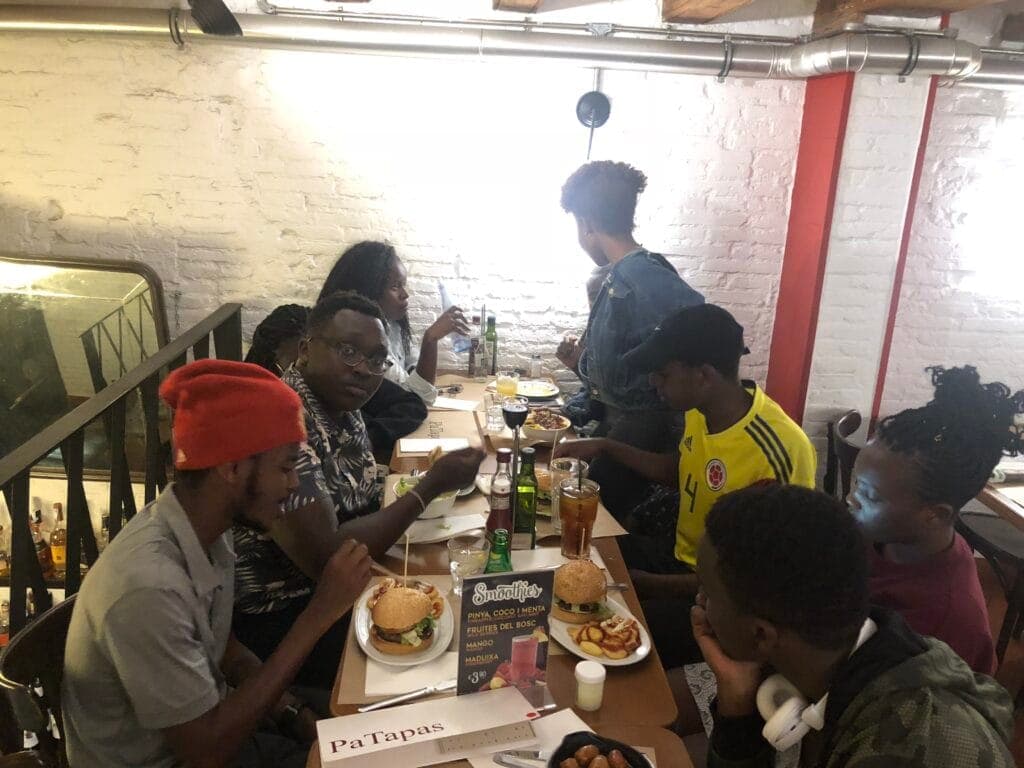
Every dish carries a history. These trips take students into markets, kitchens, farms and culinary schools to learn how a region's climate, trade routes and traditions produce the food it is known for. Students cook, taste and ask questions alongside the people who make it, and leave with a clearer view of how food connects geography, history, science and culture.
On the trip
Mombasa, Lamu and Zanzibar, where Swahili cooking is a record of Indian Ocean trade.
Spice markets in India, fermentation in South Korea, China's regional kitchens and washoku in Japan.
São Paulo and Salvador, where Indigenous, African, Portuguese, Japanese and Italian traditions blend.
Barcelona, San Sebastián and Lisbon, and chocolate, bread and pastry from Brussels to Lyon.
8 trips
Food
Mombasa · Lamu · Zanzibar
Food
Delhi · Agra · Amritsar
Food
São Paulo · Salvador
Food
Seoul · Jeonju · Busan
Food
Beijing · Chengdu · Guangzhou
Food
Tokyo · Kyoto · Osaka
Food
Barcelona · San Sebastián · Lisbon
Food
Brussels · Paris · Lyon
Learning outcomes
Students will be able to:
Tell us the subject, year group and rough group size. We'll come back within one working day with a trip outline and indicative costs, built around your curriculum.
Parent or student?
Keep exploring

The places where events transpired, and the museums that interpret them.
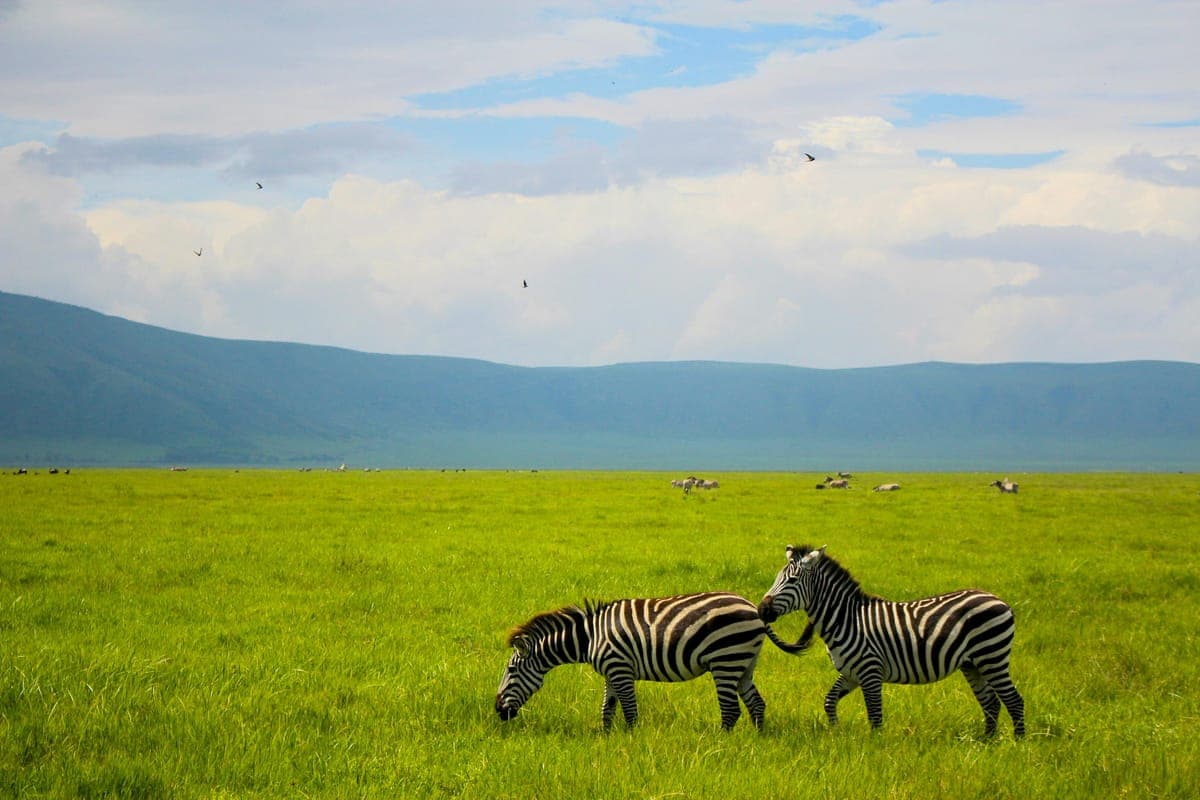
Landscapes and conservation sites where geography is studied in the field.
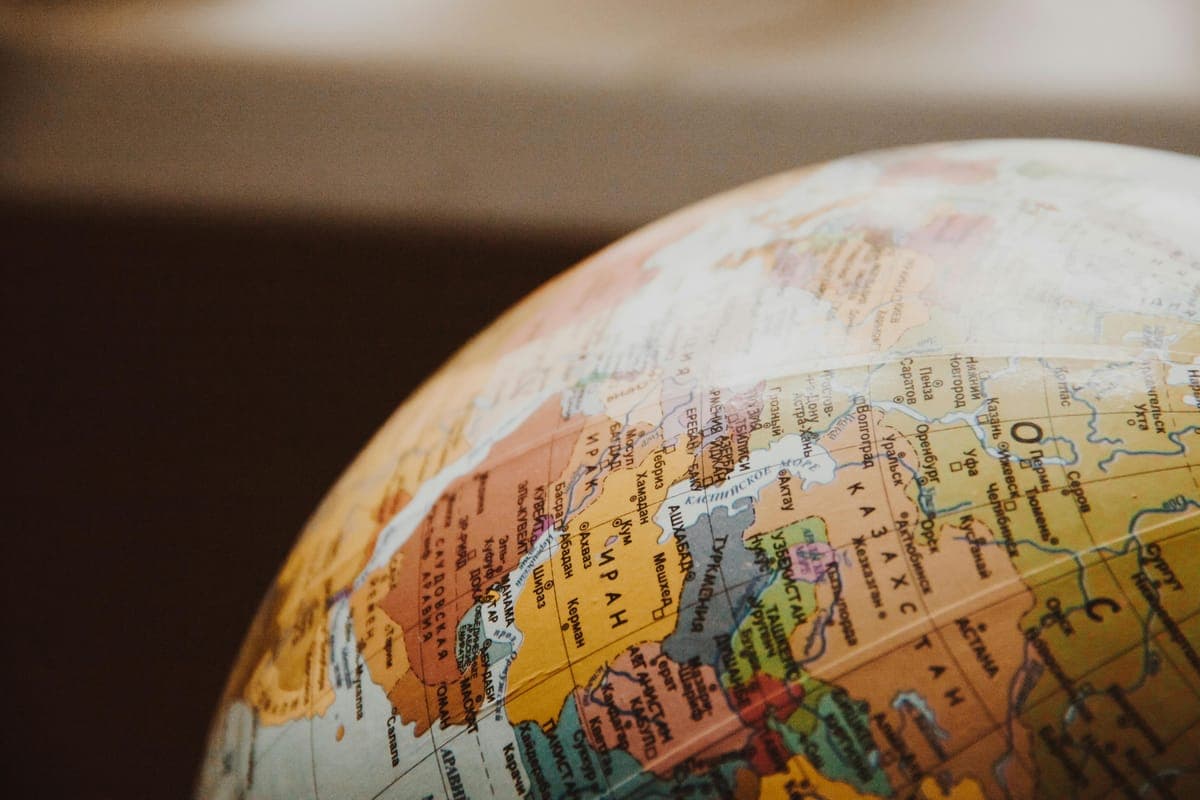
Societies, faiths, economies and cultures, seen from the inside in Central Asia, Scandinavia, India, China, Turkey and Japan.